 by
by Introduction
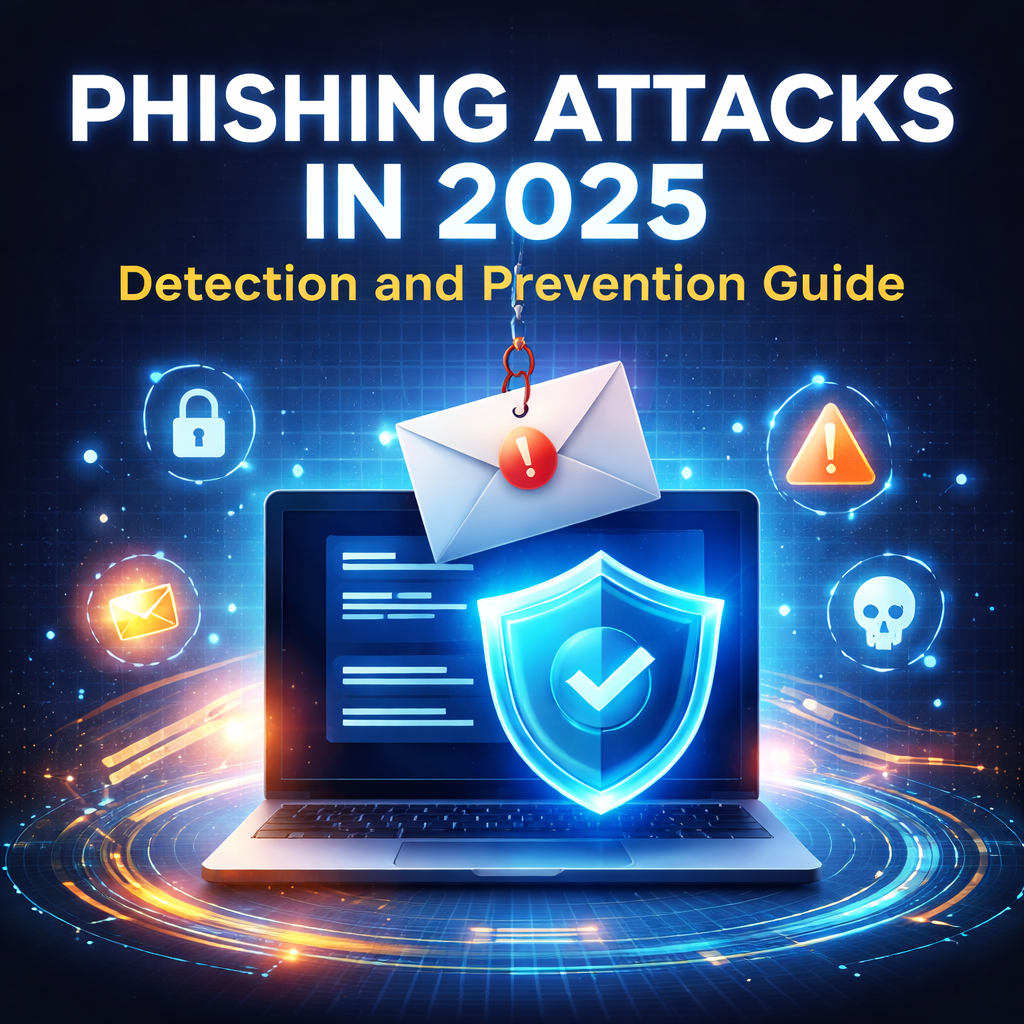
Phishing Attacks in 2025 are one of the most dangerous and rapidly evolving cyber threats in the digital world.Phishing attacks are one of the most common and dangerous cyber threats in the digital world. In 2025, these attacks have become more advanced due to the use of artificial intelligence, deepfake technology, and automated hacking tools. Phishing is a type of cyber attack where attackers try to trick users into revealing sensitive information such as passwords, bank details, credit card numbers, or personal data.
They usually pretend to be trusted organizations like banks, email providers, social media platforms, or government services. The main goal is to steal data and misuse it for financial fraud, identity theft, or unauthorized access to systems. Understanding phishing attacks and how to detect and prevent them is very important for individuals, businesses, and organizations in 2025.
What is a Phishing Attack
A phishing attack is a social engineering technique used by cybercriminals to deceive users. Attackers send fake messages or create fake websites that look real. These messages often create a sense of urgency such as account suspension, prize winnings, or security alerts. When users click on malicious links or enter their details, attackers capture that information and use it for illegal activities. Phishing can happen through email, SMS, social media, phone calls, or even fake mobile apps.
Types of Phishing Attacks in 2025
Email Phishing
Email phishing is the most common type of phishing attack where attackers send fake emails pretending to be from trusted companies. These emails often contain malicious links or attachments that steal user data when clicked.
Spear Phishing
Spear phishing is a highly targeted attack where cybercriminals research a specific person or organization. They create personalized messages to increase trust and improve the chances of success.
Smishing
Smishing refers to phishing attacks conducted through SMS messages. Users receive fake text messages that ask them to click links or share sensitive information.
Vishing
Vishing is voice phishing where attackers call victims pretending to be bank representatives, customer support agents, or government officials to steal confidential data.
Clone Phishing
In clone phishing, attackers copy a real email that the user has already received and replace legitimate links with malicious ones.
AI-Based Phishing
In 2025, AI-powered phishing attacks are increasing rapidly. Cybercriminals use artificial intelligence to generate realistic emails, fake conversations, and even deepfake voice calls that are very difficult to detect.
How Phishing Attacks Work
In Phishing Attacks in 2025, attackers use AI. Phishing attacks start when cybercriminals create fake identities, emails, or websites that closely resemble real ones. They then send messages to potential victims through email, SMS, or social media platforms.
These messages usually contain urgent warnings such as account problems, security breaches, or reward notifications. When users click on the links, they are redirected to fake websites that look identical to real login pages.
Once users enter their login credentials or personal data, attackers capture this information instantly. This stolen data is then used for financial fraud, identity theft, or sold on illegal online marketplaces.
Watch Phishing Attacks Explained
Signs of Phishing Attack
Phishing attacks can often be identified if users pay attention to small warning signs. Suspicious email addresses that do not match official domains are a major red flag. Messages containing spelling mistakes or poor grammar are also common indicators.
Another sign is urgent or threatening language that forces users to act immediately. Unknown or shortened links that look suspicious should always be avoided. Requests for passwords, OTPs, or banking details are also strong signs of phishing. Fake websites may look similar to real ones but often have slight URL changes.
Prevention Methods
Use Two-Factor Authentication
Enable two-factor authentication on all important accounts to add an extra layer of security.
Install Antivirus Software
Use trusted antivirus and anti-malware tools to detect and block phishing threats.
Keep Software Updated
Regularly update operating systems, browsers, and applications to fix security vulnerabilities.
Use Secure Browsers
Use browsers with built-in security features that warn about malicious websites.
Avoid Unknown Links
Never click on links received from unknown or suspicious sources.
Educate Employees
Organizations should train employees about phishing awareness and cybersecurity best practices.
Real World Example
A common phishing attack happens when a user receives an email that appears to be from their bank. The email claims that the user’s account has been locked due to suspicious activity and asks them to verify their account immediately.
The email contains a link that redirects to a fake banking website designed to look exactly like the official one. When the user enters their username and password, the attackers capture the credentials and gain unauthorized access to the bank account, resulting in financial loss and identity theft.
Impact of Phishing Attacks
Phishing attacks can have severe consequences for both individuals and organizations. Individuals may suffer financial loss, identity theft, and loss of personal data. Businesses may experience data breaches, loss of customer trust, legal issues, and financial damage.
In some cases, attackers gain access to entire systems, causing operational disruption and long-term security risks. Recovery from phishing attacks is often costly and time-consuming.
Role of AI in Phishing Attacks
Artificial intelligence has significantly changed the landscape of phishing attacks in 2025. Cybercriminals are using AI to generate highly realistic emails, messages, and fake websites. Deepfake technology is also being used to create convincing voice calls that mimic real people.
At the same time, AI is also being used in cybersecurity systems to detect phishing patterns, analyze user behavior, and block suspicious activities in real time. This creates an ongoing battle between attackers and defenders in the digital world.
Future of Phishing Attacks
Phishing attacks are expected to become even more advanced in the future. With the rise of AI and automation, attackers will be able to create more personalized and realistic scams. Deepfake technology will make voice and video phishing even more dangerous.
However, cybersecurity tools will also continue to improve. Advanced AI detection systems, behavioral analysis, and real-time threat monitoring will help reduce risks. User awareness will remain the most important defense against phishing attacks.
Conclusion
Phishing attacks in 2025 are highly sophisticated and dangerous due to the use of advanced technologies. However, with proper awareness, strong security practices, and modern protection tools, users can significantly reduce the risk of falling victim to these attacks.
Staying alert, verifying messages, and following cybersecurity best practices are the key to staying safe in the digital world. Phishing Attacks in 2025 can be prevented with awareness.