
 by
Introduction
Secure Software Pipeline Optimization is essential for modern DevOps teams to improve software security, reduce vulnerabilities, and ensure risk-free releases. Modern software teams release updates faster than ever, but speed without security creates serious risks. A weak delivery process can expose applications to vulnerabilities, deployment failures, and compliance issues. That is why Secure Software Pipeline Optimization Techniques have become essential in 2025 for organizations aiming for stable and risk-free releases.
A secure software pipeline ensures that code moves through development, testing, and deployment with built-in security validation at every stage. By applying Secure Software Pipeline Optimization Techniques, businesses can reduce software vulnerabilities, improve release quality, and strengthen compliance.
This guide explores the most effective Secure Software Pipeline Optimization Techniques that help development teams optimize workflows, automate security checks, and achieve safer software releases.
What Is a Secure Software Pipeline?
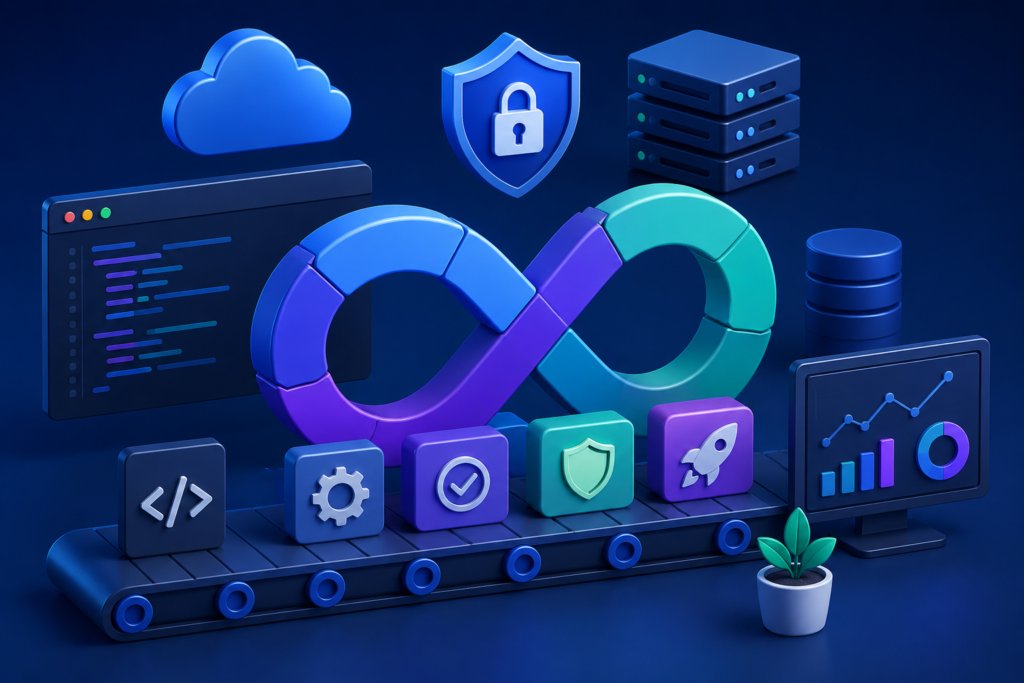
A secure software pipeline is a structured process that manages software from code creation to production deployment while integrating security controls. It combines automation, testing, and monitoring to prevent security issues before release.
Secure Software Pipeline Optimization Techniques focus on improving every phase of this process to ensure reliability, speed, and protection.
Core stages of a secure software pipeline
Source code management
Developers write and manage code in version control systems.
Continuous integration
Code changes are automatically tested and merged.
Security validation
Automated security scans detect vulnerabilities.
Continuous deployment
Validated code is pushed to production.
Monitoring and feedback
Performance and security issues are tracked after deployment.
Why Secure Software Pipeline Optimization Techniques Matter
Cyber threats are becoming more advanced, and software supply chain attacks are increasing. Businesses can no longer rely on traditional delivery methods.
Secure Software Pipeline Optimization Techniques help organizations:
- Reduce deployment risks
- Improve code quality
- Prevent supply chain attacks
- Speed up secure releases
- Ensure compliance standards
- Detect vulnerabilities earlier
Without proper optimization, software pipelines become bottlenecks and security gaps.
Top Secure Software Pipeline Optimization Techniques
1. Implement Shift-Left Security
Shift-left security means integrating security checks earlier in the development cycle.
This is one of the most important Secure Software Pipeline Optimization Techniques because early detection reduces remediation costs.
Benefits
- Faster issue resolution
- Better code quality
- Reduced production vulnerabilities
Best practices
- Static code analysis
- Dependency scanning
- Secret detection
2. Automate Security Testing
Manual testing slows down delivery and increases human error.
Advanced security testing techniques help detect vulnerabilities early in the development lifecycle, including mobile application security testing methods for mobile environments.
Automated testing is among the most effective Secure Software Pipeline Optimization Techniques for improving release confidence.
Key automated tests
SAST
Scans source code for vulnerabilities.
DAST
Tests running applications for security issues.
Dynamic Application Security Testing (DAST) is used to analyze running applications and detect security vulnerabilities that may not be visible in source code.
SCA
Identifies vulnerable open-source components.
Container scanning
Detects container image vulnerabilities.
3. Optimize CI/CD Pipeline Security
CI/CD pipelines are a major attack target.
Secure Software Pipeline Optimization Techniques improve CI/CD security by protecting automation workflows.
Optimization strategies
- Secure build servers
- Encrypted secrets storage
- Access control management
- Signed build artifacts
Pipeline security reduces unauthorized changes.
4. Strengthen Dependency Management
Third-party libraries create supply chain risks.
Secure Software Pipeline Optimization Techniques should include dependency verification and monitoring.
Important methods
- Dependency pinning
- Vulnerability alerts
- Trusted repositories
- License compliance checks
Dependency control improves software reliability.
5. Secure Infrastructure as Code (IaC)
Infrastructure automation is critical for cloud-native applications.
Infrastructure as code helps automate cloud deployments and ensures consistent infrastructure provisioning across environments.
Secure Software Pipeline Optimization Techniques must secure infrastructure definitions.
Security improvements
- IaC configuration scanning
- Policy enforcement
- Misconfiguration detection
- Secure cloud provisioning
Infrastructure security supports safer deployments.
6. Use Immutable Build Artifacts
Immutable artifacts prevent unauthorized modifications after build completion.
This is one of the advanced Secure Software Pipeline Optimization Techniques for maintaining software integrity.
Advantages
- Consistent deployments
- Better rollback capability
- Improved traceability
Immutable builds reduce deployment risks.
7. Integrate Continuous Compliance
Regulatory compliance is a critical requirement.
Secure Software Pipeline Optimization Techniques help automate compliance validation.
Compliance areas
- Data security
- Access controls
- Audit logs
- Security policies
Continuous compliance reduces audit pressure.
8. Improve Access Control Across Pipelines
Access management is essential for delivery security.
Secure Software Pipeline Optimization Techniques should enforce role-based permissions.
Access control measures
- Multi-factor authentication
- Least privilege access
- Temporary credentials
- Access monitoring
Strong access control reduces insider threats.
9. Monitor Pipeline Activity in Real Time
Real-time monitoring helps detect threats quickly.
Secure Software Pipeline Optimization Techniques rely on visibility across the pipeline.
Monitoring areas
- Build failures
- Deployment anomalies
- Unauthorized access
- Security alerts
Continuous monitoring supports fast response.
10. Establish Incident Response for Release Failures
Even optimized pipelines can fail.
Secure Software Pipeline Optimization Techniques should include incident response planning.
Response framework
- Rollback procedures
- Security alerts
- Root cause analysis
- Recovery workflows
Prepared response minimizes downtime.
Common Risks in Software Pipelines
Ignoring Secure Software Pipeline Optimization Techniques can lead to:
Supply chain compromise
Attackers target dependencies.
Secret exposure
Hardcoded credentials create risks.
Misconfigured deployments
Security settings may be weak.
Unauthorized pipeline changes
Malicious code can enter releases.
Best Practices for Secure Software Pipelines
For better pipeline performance:
- Automate security scanning
- Validate every build artifact
- Secure deployment credentials
- Use trusted package sources
- Enforce access restrictions
- Monitor release activities
- Maintain audit logs
These Secure Software Pipeline Optimization Techniques improve overall release quality.
Future Trends in Secure Software Pipelines
The future of secure pipelines includes:
AI-driven pipeline security
Automated threat detection.
Zero trust pipelines
Strict identity validation.
Supply chain security frameworks
Stronger software integrity.
Automated policy enforcement
Faster compliance validation.
These innovations will shape software security in 2025 and beyond.
Conclusion
Secure software is no longer optional for modern businesses. Secure Software Pipeline Optimization Techniques provide a practical way to reduce risks, improve release stability, and strengthen software security.
By implementing Secure Software Pipeline Optimization Techniques such as shift-left security, CI/CD protection, dependency management, and continuous compliance, organizations can achieve faster and safer software releases.
As cyber threats evolve, optimizing the software pipeline will remain one of the most important strategies for risk-free releases in 2025.