 by
by Introduction
Supply chain cyber attacks in 2025 have become one of the most dangerous and complex threats in modern cybersecurity. Unlike traditional attacks that target a single organization, these attacks exploit trusted third-party vendors, software providers, libraries, and development pipelines to infiltrate entire ecosystems.
Today’s software systems are deeply interconnected. A single compromised dependency, update, or vendor can silently spread malware across thousands of organizations. This makes supply chain security not just an IT concern, but a core business risk.
In this blog, we will explore how supply chain cyber attacks work in 2025 and the 7 most powerful defense strategies for software security that organizations must implement to stay protected.
What Are Supply Chain Cyber Attacks ?
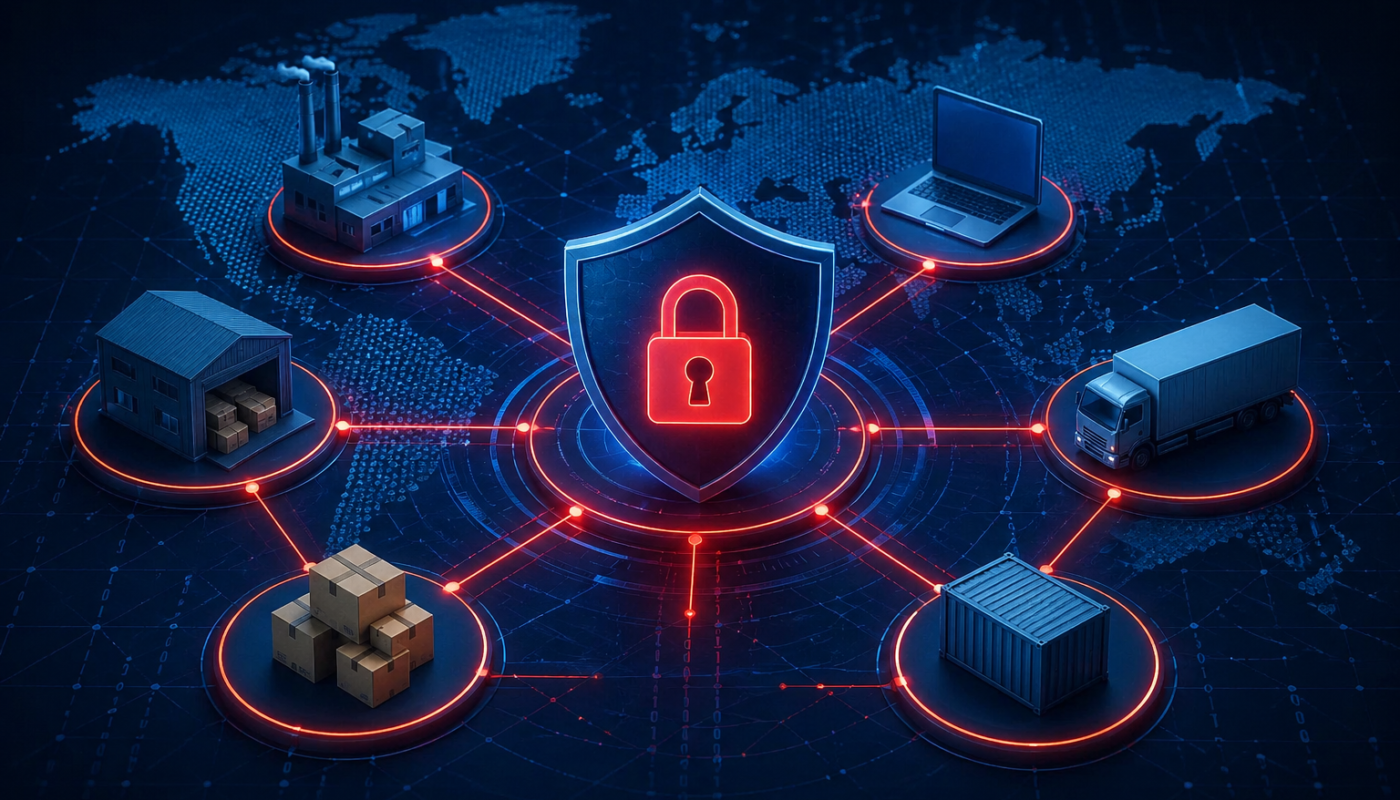
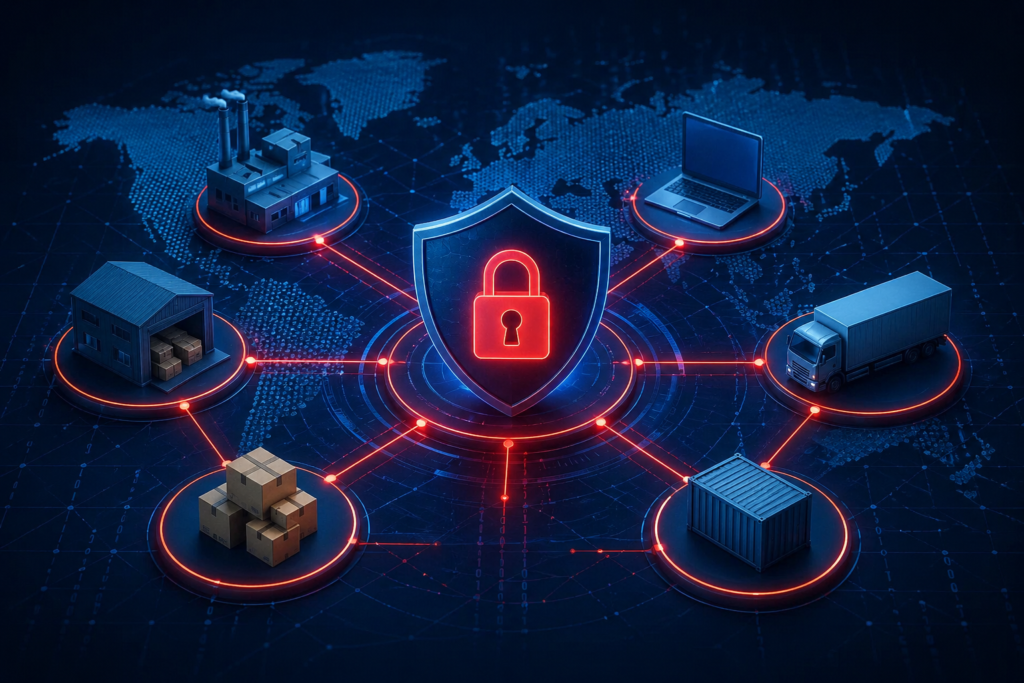
Supply Chain Cyber Attacks in 2025 target trusted third-party systems instead of direct infrastructure. Supply chain cyber attacks occur when attackers compromise a trusted third-party component or service to gain access to a target system.
Instead of attacking directly, hackers target:
- Software vendors
- Open-source libraries
- Cloud service providers
- CI/CD pipelines
- Hardware or firmware components
Once compromised, malicious code spreads through legitimate updates or integrations.
In 2025, these attacks have become more advanced due to:
- AI-generated malware
- Automated dependency exploitation
- Cloud-native architectures
- Increased third-party API usage
Why Supply Chain Attacks Are Increasing
The rise of Supply Chain Cyber Attacks in 2025 is linked to growing software dependency. There are several reasons why supply chain cyber attacks are growing rapidly:
1. Heavy Dependency on Third-Party Software
Modern applications rely on thousands of open-source packages and APIs.
2. Cloud and DevOps Expansion
CI/CD pipelines are highly automated, making them attractive targets.
3. Complex Software Ecosystems
Microservices and distributed systems increase attack surface.
4. Trust-Based Security Models
Organizations trust verified vendors, which attackers exploit.
5. Lack of Visibility
Many companies don’t fully track their software dependencies.
Impact of Supply Chain Cyber Attacks
Supply Chain Cyber Attacks in 2025 can cause large-scale data breaches and system downtime. A successful attack can cause severe damage:
- Data breaches across multiple organizations
- Financial losses and ransom demands
- Intellectual property theft
- System downtime and operational disruption
- Loss of customer trust
- Legal and compliance penalties
One compromised vendor can trigger a chain reaction of failures across industries.
7 Powerful Defense Strategies for Software Security
To defend against Supply Chain Cyber Attacks in 2025, organizations must adopt layered security strategies.
Now let’s explore the most effective defense strategies against supply chain cyber attacks in 2025.
1. Software Bill of Materials (SBOM) Implementation
A Software Bill of Materials (SBOM) is a complete inventory of all components used in an application.
It includes:
- Open-source libraries
- Third-party dependencies
- Version details
- Licensing information
Why it matters:
If a vulnerability is discovered in a dependency, SBOM helps quickly identify affected systems.
Best practice:
- Automate SBOM generation in CI/CD pipelines
- Continuously update dependency tracking
2. Secure CI/CD Pipeline Hardening
CI/CD pipelines are prime targets for attackers. Automated pipelines improve speed but also introduce security risks if not properly controlled, as explained in Modern IT Infrastructure Automation.
To secure them:
- Use multi-factor authentication (MFA)
- Restrict pipeline access permissions
- Sign all build artifacts
- Monitor build logs for anomalies
Security integration in pipelines follows DevSecOps principles, ensuring vulnerabilities are detected early in the development lifecycle.
Key idea:
If your pipeline is compromised, attackers can inject malicious code into production.
3. Dependency Management and Vulnerability Scanning
Modern applications rely heavily on open-source packages.
To protect them:
- Regularly scan dependencies for known vulnerabilities
- Use tools like SCA (Software Composition Analysis)
- Avoid outdated or unmaintained libraries
Pro tip:
Always lock dependency versions to prevent automatic malicious updates.
4. Zero Trust Architecture for Supply Chain Security
Supply Chain Cyber Attacks in 2025 require a Zero Trust approach because attackers often exploit trusted systems.
Zero Trust means:
“Never trust, always verify.”
Instead of trusting vendors or internal systems automatically, every request must be verified. The Zero Trust Architecture Guide provides a strong framework for implementing identity-first security models in modern enterprises.
Key principles:
- Continuous authentication
- Least privilege access
- Micro-segmentation of systems
This limits lateral movement even if attackers breach one component.
5. Code Signing and Artifact Verification
Every software component or update should be digitally signed.
Benefits:
- Ensures authenticity of software
- Prevents unauthorized modifications
- Detects tampered updates
Best practice:
- Enforce signature validation before deployment
- Use trusted certificate authorities
6. Continuous Monitoring and Threat Intelligence
Real-time detection is essential to prevent Supply Chain Cyber Attacks in 2025 from spreading across networks. Real-time detection systems powered by SIEM tools play a crucial role, as detailed in Advanced SIEM Evolution.
Organizations should:
- Monitor third-party integrations
- Track unusual API behavior
- Use AI-based anomaly detection
Threat intelligence helps:
- Identify emerging vulnerabilities
- Detect compromised vendors early
- Respond faster to attacks
7. Vendor Risk Management and Security Audits
Supply Chain Cyber Attacks in 2025 often originate from poorly secured third-party vendors. Third-party vendors are often the weakest link.
To reduce risk:
- Conduct regular security audits
- Assess vendor compliance standards
- Require security certifications
- Enforce strict contractual security policies
Important:
Never assume a vendor is secure just because they are widely used.
Real-World Example of Supply Chain Attack
A real incident of Supply Chain Cyber Attacks in 2025 style shows how one compromised vendor can affect thousands of systems. One of the most well-known supply chain attacks involved compromised software updates that silently infected thousands of systems worldwide.
Attackers injected malicious code into a trusted software update mechanism, allowing them to:
- Access sensitive data
- Monitor internal networks
- Spread across connected systems
This demonstrates how dangerous trusted channels can become when compromised.
Future of Supply Chain Security
Supply chain attacks will continue evolving with:
- AI-powered attack automation
- Deepfake-based vendor impersonation
- Cloud-native exploitation techniques
- Self-spreading malware in DevOps pipelines
Future defense will rely heavily on:
- AI-driven security analytics
- Fully automated vulnerability detection
- Blockchain-based software verification
- Stronger global security standards
Conclusion
Supply chain cyber attacks in 2025 represent one of the most critical cybersecurity challenges for modern organizations. Because these attacks exploit trust rather than direct vulnerabilities, they are harder to detect and even harder to prevent.
However, with the right strategies—like SBOM implementation, CI/CD security, Zero Trust architecture, and continuous monitoring—organizations can significantly reduce risk and build resilient software systems.
Cybersecurity is no longer just about protecting your own systems; it’s about securing the entire ecosystem you depend on.