
 by
by Introduction
Firebase powers scalable and real-time mobile apps by enabling developers to build dynamic, high-performance applications with ease. Modern mobile applications are no longer just static tools—they are real-time, dynamic, and highly scalable systems. Whether it’s chat apps, live tracking, or e-commerce platforms, users expect instant updates and seamless performance.
Building such systems from scratch requires complex backend infrastructure. However, Firebase simplifies everything by offering a complete Backend-as-a-Service (BaaS) solution.
This platform handles backend tasks like databases, authentication, hosting, and real-time syncing.

What is Firebase?
Firebase is a Google-owned cloud development platform that provides a set of tools to build, improve, and scale mobile and web applications.
Instead of managing servers, developers can use Firebase services such as:
- Cloud Firestore / Realtime Database
- Firebase Authentication
- Cloud Functions
- Firebase Hosting
- Cloud Messaging (FCM)
- Analytics and Crash Reporting
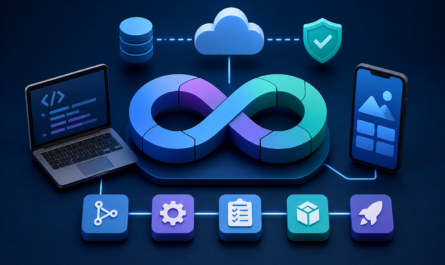
It is designed to reduce backend complexity and speed up development.This shows how Firebase powers modern mobile apps with scalable backend solutions.
Top 10 Ways Firebase Powers Scalable and Real-Time Mobile Apps
1. Automatic Scalability for Growing Apps
Firebase automatically scales your application based on user demand. Whether your app has hundreds or millions of users, Firebase adjusts resources without manual intervention.
2. Real-Time Database Synchronization
Firebase enables real-time data updates across all connected devices. When data changes, users instantly see updates without refreshing the app.
Perfect for:
- Chat applications
- Live tracking apps
- Collaborative tools
3. Firebase Authentication System
Firebase provides a complete authentication system that supports email login, Google Sign-In, phone OTP verification, and social logins. This removes the need to build a custom authentication backend.
4. Cloud Firestore for Structured Data
Cloud Firestore allows developers to store and manage structured data efficiently with advanced queries and high scalability. It is ideal for modern data-driven applications.
5. Cloud Functions for Backend Logic
Cloud Functions allow developers to run backend code without managing servers. Tasks like sending notifications, processing data, and automating workflows can be handled easily.
6. Firebase Cloud Messaging (Push Notifications)
Firebase Cloud Messaging enables real-time push notifications such as order updates, alerts, and promotional messages, improving user engagement and retention.
7. Firebase Analytics for User Insights
Firebase Analytics tracks user behavior like session duration, screen views, and retention. This helps developers optimize performance and improve user experience.
8. Crashlytics for Error Monitoring
Crashlytics provides real-time crash reports, helping developers quickly identify and fix issues to maintain app stability.
9. Serverless Architecture Advantage
Firebase eliminates the need for traditional backend servers by running on Google Cloud infrastructure. This reduces maintenance and speeds up development.
10. Easy Integration with Mobile Platforms
Firebase integrates seamlessly with Android and iOS apps, allowing developers to quickly implement backend features like authentication, database, and notifications.
Firebase Realtime Database vs Cloud Firestore
Realtime Database
- JSON-based data structure
- Suitable for simple apps
- Fast for smaller datasets
- Limited querying options
Cloud Firestore
- Collection and document-based structure
- Highly scalable
- Advanced querying support
- Better for large-scale applications
Recommendation:
- Small apps → Realtime Database
- Scalable apps → Firestore
Firebase Authentication (Complete System)
Authentication is a critical part of any mobile application. Firebase provides a secure and easy-to-use authentication system.
Supported login methods include:
- Email and password
- Google Sign-In
- Phone OTP verification
- Social logins
This ensures fast and secure user onboarding.
Firebase Architecture in Mobile Apps
A typical Firebase-powered app architecture looks like this:
Mobile App (Android / iOS)
↓
Firebase SDK Integration
↓
Firebase Backend Services
Authentication (User Login and Security)
Firestore Database (Real-Time Data Storage)
Cloud Functions (Backend Logic and Automation)
Cloud Messaging (Push Notifications)
Analytics (User Behavior Tracking)
Crashlytics (Error Monitoring)
↓
Google Cloud Infrastructure (Scalable and Fully Managed Backend System)
Real-World Use Cases of Firebase
Firebase is widely used in modern applications:
Chat Applications
- Real-time messaging
- Online status updates
E-commerce Apps
- Product listings
- Order tracking
Ride Tracking Apps
- Live location updates
Social Media Apps
- Feed updates
- Notifications
Firebase Cloud Messaging (FCM)
Firebase Cloud Messaging enables push notifications that help keep users engaged.
Examples include:
- Order updates
- New messages
- Promotional alerts
Firebase Analytics and Crashlytics
Analytics
Tracks user activity such as:
- Session duration
- Screen views
- User retention
Crashlytics
Helps detect crashes, fix bugs, and improve app performance.
Cloud Functions (Backend Without Servers)
Cloud Functions allow you to execute backend logic automatically.
Examples:
- Sending notifications after user actions
- Processing background tasks
This follows an event-driven architecture.
Advantages of Firebase
Firebase powers fast and efficient mobile app development.
- Fast development
- Real-time data sync
- High scalability
- No server management
- Easy mobile integration
Limitations of Firebase
- Not ideal for complex enterprise systems
- Limited backend customization
- Vendor lock-in
- Cost increases at scale
Learn Firebase
Here is a helpful tutorial:
FAQs
1. Is Firebase suitable for large apps?
Yes, Firestore is designed for large-scale production apps.
2. Is Firebase backend or frontend?
Firebase is a Backend-as-a-Service (BaaS) platform.
3. Does Firebase support offline mode?
Yes, Firestore supports offline caching and automatic sync.
4. Is Firebase free to use?
Yes, but advanced usage requires paid plans.
5. Which companies use Firebase?
Many startups and enterprise apps use Firebase for scalability and speed.
Conclusion
Firebase is one of the most powerful backend solutions for modern mobile applications. It provides real-time database, authentication, cloud functions, and scalability—all without server management.
If you want to build fast, scalable, and real-time mobile apps, This is one of the best choices available today. Firebase powers scalable and real-time mobile apps, making it one of the best backend solutions available today.