
 by
Introduction
Modern businesses depend on technology for almost every operation, from communication and customer management to security and data storage. As organizations grow, their IT infrastructure becomes more complex, making it difficult to track hardware, software, cloud resources, and digital assets efficiently.
This is where IT Asset Management in 2025 becomes essential. IT Asset Management (ITAM) helps businesses monitor, manage, optimize, and secure their technology assets throughout their lifecycle. Without proper asset management, organizations face risks like security vulnerabilities, compliance issues, unnecessary costs, and operational inefficiencies.
In 2025, businesses are focusing on smarter and more automated asset management strategies to improve infrastructure security and maximize resource utilization. This guide explains advanced strategies, best practices, benefits, and future trends of IT asset management.
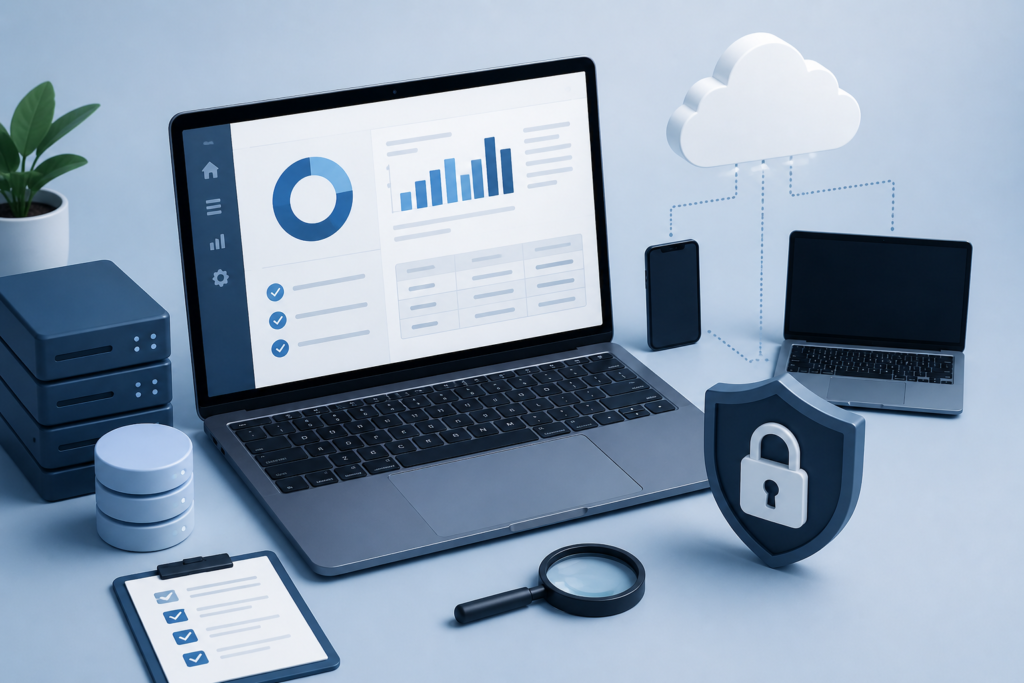
What is IT Asset Management?
IT Asset Management is the process of tracking and managing all IT assets in an organization, including:
- Hardware devices
- Software applications
- Cloud assets
- Network devices
- Licenses
- Virtual machines
- Security tools
- Data storage systems
The main objective of IT asset management is to ensure every asset is used efficiently, securely, and cost-effectively.
A strong IT asset management strategy improves visibility and reduces infrastructure risks.
Why IT Asset Management Matters
Technology environments are growing rapidly. Businesses now use:
- Cloud systems
- Remote devices
- SaaS platforms
- Hybrid infrastructures
- Mobile devices
- Virtual environments
Managing all these assets manually is no longer practical.
Key reasons IT asset management matters:
- Better visibility into all assets
- Improved cybersecurity protection
- Reduced software licensing costs
- Faster troubleshooting
- Better compliance management
- Improved resource optimization
Organizations that ignore asset management often face security gaps and wasted IT spending.
Advanced Strategies for IT Asset Management
1. Build a Complete Asset Inventory
A complete asset inventory is the foundation of IT asset management.Many businesses lose track of devices, software, and cloud resources over time. Unknown assets become security risks. Organizations can improve asset tracking accuracy by following NIST Asset Framework defined by NIST.
Best practices:
- Maintain centralized asset records
- Include cloud assets
- Track employee devices
- Identify shadow IT
- Update inventory regularly
A complete inventory improves infrastructure visibility and control.
2. Automate Asset Discovery
Manual asset tracking is slow and inaccurate.
Automated asset discovery tools scan networks and detect:
- New devices
- Unauthorized systems
- Software installations
- Network changes
Automation reduces human errors and improves asset accuracy.
Benefits of automation:
- Faster discovery
- Better tracking
- Improved security visibility
- Reduced workload
Automation is becoming a core part of IT Asset Management in 2025.
3. Strengthen Asset Security Management
Every IT asset can become a cyberattack entry point. Strong asset protection becomes more effective when combined with endpoint security strategies.
Unpatched systems, old software, and unmanaged devices increase risk.
Security strategies:
- Apply regular patching
- Remove unused software
- Encrypt sensitive devices
- Monitor suspicious activity
- Restrict access permissions
Strong security controls improve overall infrastructure protection.
4. Optimize Software License Management
Software licensing issues can increase costs significantly.
Organizations often pay for unused or duplicate software licenses.
Optimization methods:
- Track active software usage
- Remove unused licenses
- Monitor renewal dates
- Prevent unauthorized software installations
Proper software asset management reduces unnecessary expenses.
5. Implement Lifecycle Management
Every IT asset has a lifecycle:
- Procurement
- Deployment
- Maintenance
- Upgrade
- Disposal
Managing each phase improves efficiency.
Lifecycle strategy:
Plan asset replacement before failure.
This prevents downtime and improves productivity.
Asset lifecycle management is one of the most effective IT asset management strategies.
6. Monitor Asset Performance Continuously
Asset performance monitoring helps detect problems early.
Track:
- CPU performance
- Storage usage
- Device health
- System uptime
- Resource consumption
Monitoring improves system reliability.
Benefits:
- Better performance
- Lower downtime
- Faster issue detection
- Better planning
Continuous monitoring supports better infrastructure decisions.
7. Improve Cloud Asset Visibility
Cloud environments create new asset management challenges. Businesses managing cloud assets should also focus on cloud security practices to reduce exposure risks.
Businesses use:
- Virtual servers
- Cloud storage
- SaaS applications
- APIs
Without visibility, cloud assets become difficult to manage.
Cloud management strategies:
- Track cloud resource usage
- Identify unused resources
- Monitor cloud security settings
- Optimize cloud costs
Cloud asset visibility improves control and reduces waste.
8. Standardize IT Asset Policies
Without policies, asset management becomes inconsistent.
Organizations should define:
- Asset procurement rules
- Security requirements
- Device usage policies
- Disposal procedures
- Maintenance schedules
Standardization improves management efficiency.
Strong policies reduce confusion and improve accountability.
Benefits of Effective IT Asset Management
Proper IT asset management delivers major business benefits.
Better Security
Unmanaged assets increase cyber risks.
Proper asset management improves security visibility.
Cost Reduction
Businesses reduce spending by removing unnecessary assets and licenses.
Better asset optimization saves money.
Improved Productivity
Employees work better with properly managed systems.
Reliable infrastructure improves performance.
Better Compliance
Many industries require asset tracking for audits and compliance.
ITAM simplifies compliance processes.
Faster Incident Response
Security teams can identify affected assets quickly during cyber incidents.
This improves response speed.
Common Challenges in IT Asset Management
Despite its benefits, IT asset management has challenges.
Lack of visibility
Organizations often miss hidden or unmanaged assets.
Shadow IT
Employees may use unauthorized applications or devices.
This creates risks.
Rapid cloud expansion
Cloud resources change quickly.
Tracking them is difficult.
License complexity
Managing software licenses across multiple vendors is complicated.
Device sprawl
Remote work has increased the number of endpoints.
Managing all devices requires better systems.
Best Practices for IT Asset Management
Follow these best practices for better results:
Centralize asset data
Store all asset records in one system.
Use automation
Automate discovery, tracking, and reporting.
Regular audits
Conduct audits to verify asset accuracy.
Strengthen security
Protect all assets with proper security controls.
Train employees
Teach teams proper asset usage and reporting practices.
Remove inactive assets
Unused assets increase risk and cost.
Remove them quickly.
Future Trends in IT Asset Management
IT asset management is evolving rapidly.
AI-powered asset analytics
AI helps predict asset failures and optimize performance.
Predictive maintenance
Systems will identify hardware issues before breakdown.
Smart automation
Automation will handle asset tracking and lifecycle tasks.
Better cloud visibility
Cloud-focused asset management tools will improve resource tracking.
Security integration
Asset management and cybersecurity will work together more closely.
This improves threat detection.
How IT Asset Management Supports Cybersecurity
IT asset management directly supports cybersecurity.
It helps security teams:
- Identify exposed devices
- Detect outdated systems
- Improve patch management
- Remove vulnerable software
- Strengthen access controls
Security starts with visibility.
Without asset visibility, cyber defense becomes weak.
This makes IT Asset Management in 2025 critical for both operations and security.
Conclusion
Technology is the backbone of modern business, and managing it properly is essential for success. IT Asset Management in 2025 helps organizations improve infrastructure security, reduce unnecessary costs, optimize resources, and increase operational efficiency.
By using advanced strategies like automation, lifecycle management, performance monitoring, and cloud visibility, businesses can gain better control over their technology environments.
A strong IT asset management strategy is no longer optional. It is a critical requirement for modern infrastructure security and business growth.