 by
by Introduction
Modern applications generate and process massive amounts of data every second. From e-commerce transactions to banking systems and streaming platforms, data availability and consistency are critical.
This is where real-time database replication becomes essential.
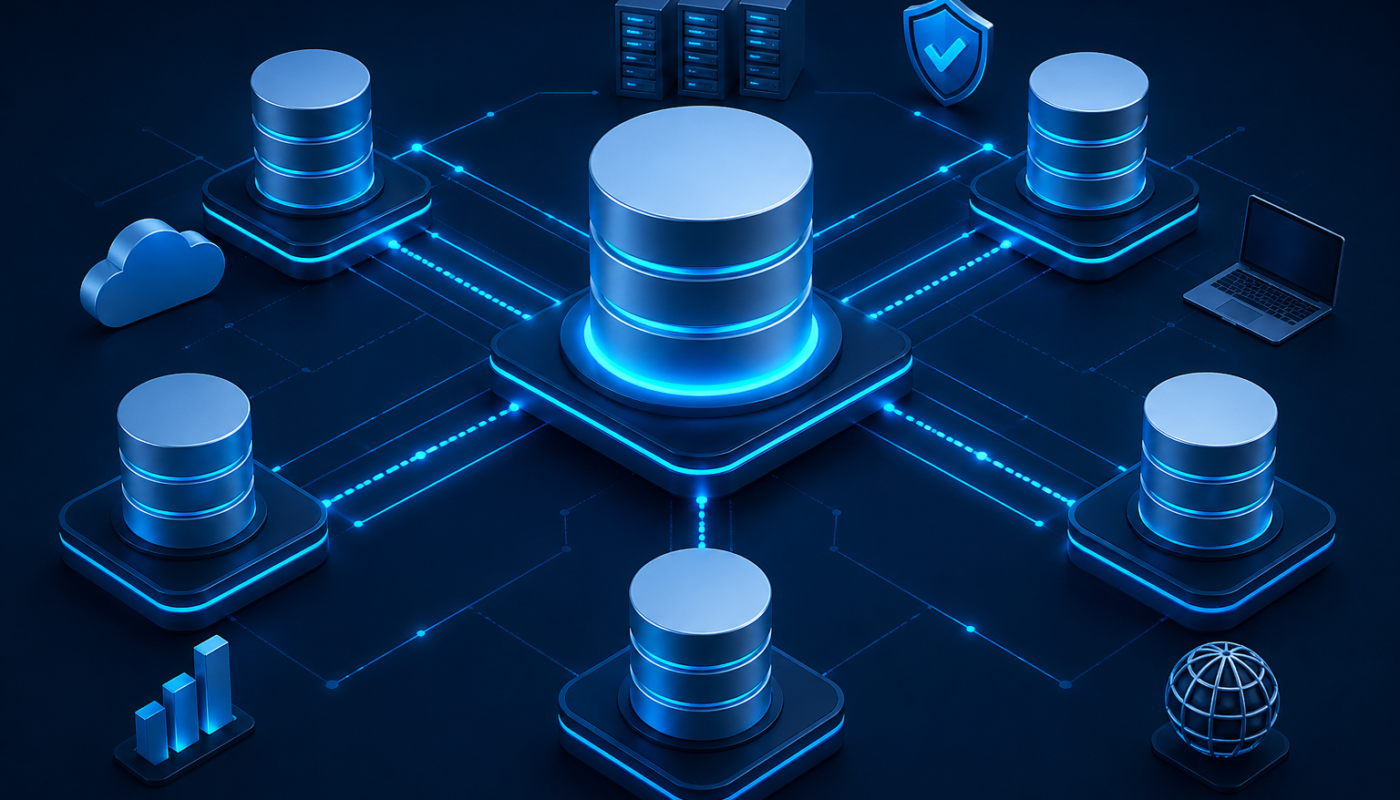
Real-time database replication is the process of continuously copying and synchronizing data from one database to another in real time. This ensures that multiple database instances remain updated, consistent, and available even during failures or high traffic loads.
In 2025, businesses cannot afford downtime or data loss. Even a few seconds of delay can result in revenue loss, poor user experience, and system instability.
That’s why high availability systems rely heavily on advanced replication techniques to ensure continuous data flow and system resilience.
In this guide, we will explore how real-time database replication works and the 7 advanced techniques used to build highly available systems.
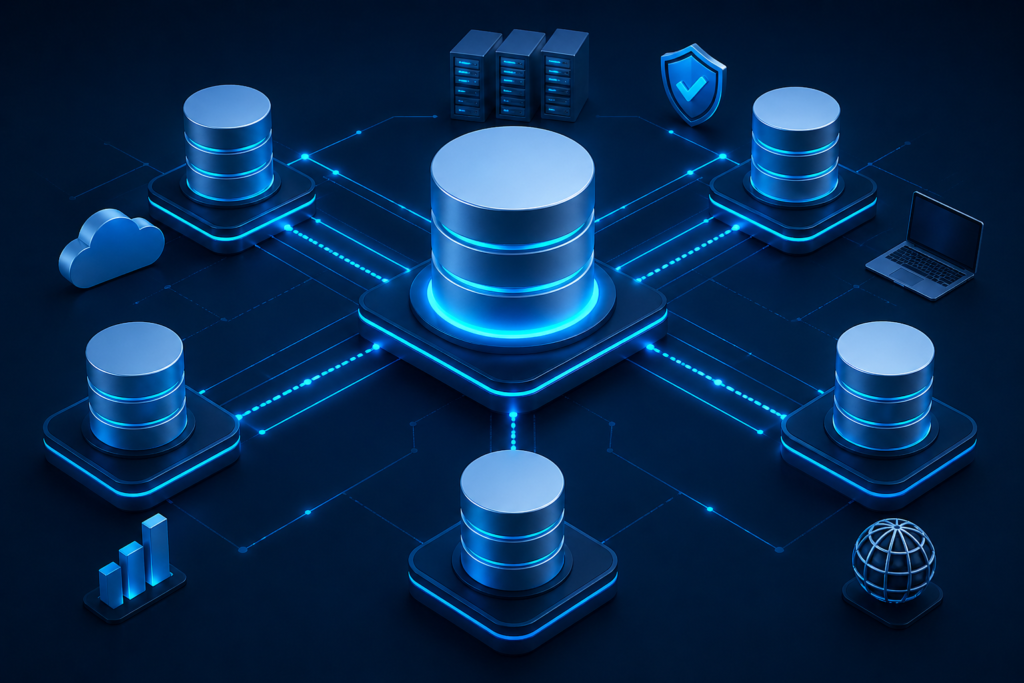
What is Real-Time Database Replication?
Real-time database replication is a method where changes in a primary database are instantly copied to one or more secondary databases.
These secondary databases can be used for:
- Backup and disaster recovery
- Read scalability
- Load distribution
- Failover systems
Unlike traditional replication, real-time replication ensures near-zero delay between updates, making systems highly responsive and reliable.
Why Real-Time Database Replication Matters
Today’s digital systems demand:
- Zero downtime
- Instant data updates
- High scalability
- Global accessibility
- Strong disaster recovery
Without replication, a single database failure can bring down an entire application.
Key reasons it is important:
- Prevents data loss during failures
- Improves system performance
- Supports global users with low latency
- Enables seamless failover
- Enhances business continuity
7 Advanced Techniques for High Availability Systems
1. Master-Slave Replication (Primary-Replica Model)
This is one of the most widely used replication techniques in modern systems such as MySQL replication.
In this model:
- The master database handles all write operations
- The slave databases replicate data from the master
Benefits:
- Simple architecture
- Reliable backup system
- Efficient read scaling
Use case:
- Banking systems
- E-commerce platforms
However, if the master fails, failover mechanisms are required.
2. Multi-Master Replication
In multi-master replication, multiple databases can accept write operations.
All nodes synchronize changes with each other in real time.
Benefits:
- No single point of failure
- High availability
- Better write performance
Challenges:
- Conflict resolution is complex
- Requires strong synchronization logic
Use case:
- Global applications
- Distributed SaaS platforms
3. Synchronous Replication
In synchronous replication, data is written to all replicas at the same time before confirming success.
Benefits:
- Strong consistency
- Zero data loss risk
- High reliability
Drawback:
- Slight performance delay due to waiting for all nodes
Use case:
- Financial systems
- Healthcare databases
4. Asynchronous Replication
In this technique, data is first written to the primary database and then replicated to secondary nodes.
Benefits:
- High performance
- Low latency
- Scalable architecture
Drawback:
- Possible minor data lag
Use case:
- Social media platforms
- Analytics systems
This is the most commonly used approach in modern cloud systems.
5. Snapshot-Based Replication
Snapshot replication captures the state of a database at a specific point in time and transfers it to other systems.
Benefits:
- Easy backup mechanism
- Useful for initial data sync
- Reduces system load
Use case:
- Data migration
- Backup systems
This method is not real-time but supports hybrid replication strategies.
6. Log-Based Replication (Change Data Capture)
Log-based replication tracks database changes using transaction logs and change data capture as used in MongoDB replication.
Only changes (not full data) are replicated.
Benefits:
- Extremely efficient
- Low bandwidth usage
- Near real-time performance
Use case:
- High-traffic applications
- Big data pipelines
This is one of the most advanced and widely used techniques today.
7. Cloud-Native Distributed Replication
Modern cloud systems use distributed replication across multiple regions and zones.
Features:
- Geo-replication
- Auto-scaling
- Fault tolerance
Benefits:
- Global availability
- Disaster recovery
- High performance
Use case:
- AWS, Azure, Google Cloud systems
- Enterprise SaaS platforms
This is the future of real-time database replication systems.
Benefits of Real-Time Database Replication
1. High Availability
Systems remain online even if one database fails with the help of Load Balancing
2. Disaster Recovery
Data is always backed up across multiple locations using Multi-Cloud Strategy.
3. Improved Performance
Read operations can be distributed across replicas.
4. Scalability
Supports growing user traffic efficiently.
5. Reduced Downtime
Automatic failover ensures continuous service.
Challenges of Database Replication
1. Data Consistency Issues
Keeping all replicas synchronized is complex.
2. Network Latency
Replication across regions can introduce delays.
3. Conflict Resolution
Multi-master setups require advanced conflict handling.
4. Infrastructure Cost
Multiple database systems increase cost.
Best Practices for Real-Time Database Replication
- Use appropriate replication strategy based on workload
- Monitor replication lag regularly
- Implement automatic failover systems
- Use cloud-managed database services
- Secure replication channels with encryption
- Optimize network performance
Future of Real-Time Database Replication
In 2025 and beyond, database replication will evolve with:
- AI-powered replication optimization
- Edge database replication systems
- Serverless database architectures
- Fully automated failover systems
- Real-time global synchronization
Businesses will move toward fully autonomous data systems where replication is self-managed and self-healing.
Conclusion
Real-time database replication is a critical foundation for modern high availability systems.
It ensures:
- Continuous data availability
- High performance
- Disaster recovery
- Global scalability
From traditional master-slave models to advanced cloud-native distributed replication, these techniques help businesses build resilient and scalable systems.
As data continues to grow, real-time replication will remain a core pillar of backend architecture in 2025 and beyond.