 by
by Introduction
Modern application development is changing rapidly, and businesses now demand scalable, fast, and cost-efficient infrastructure. Traditional server-based hosting models often create operational complexity, infrastructure costs, and maintenance overhead. This is where Serverless Architecture in 2025 is becoming one of the most powerful cloud computing models for startups, enterprises, and SaaS platforms.
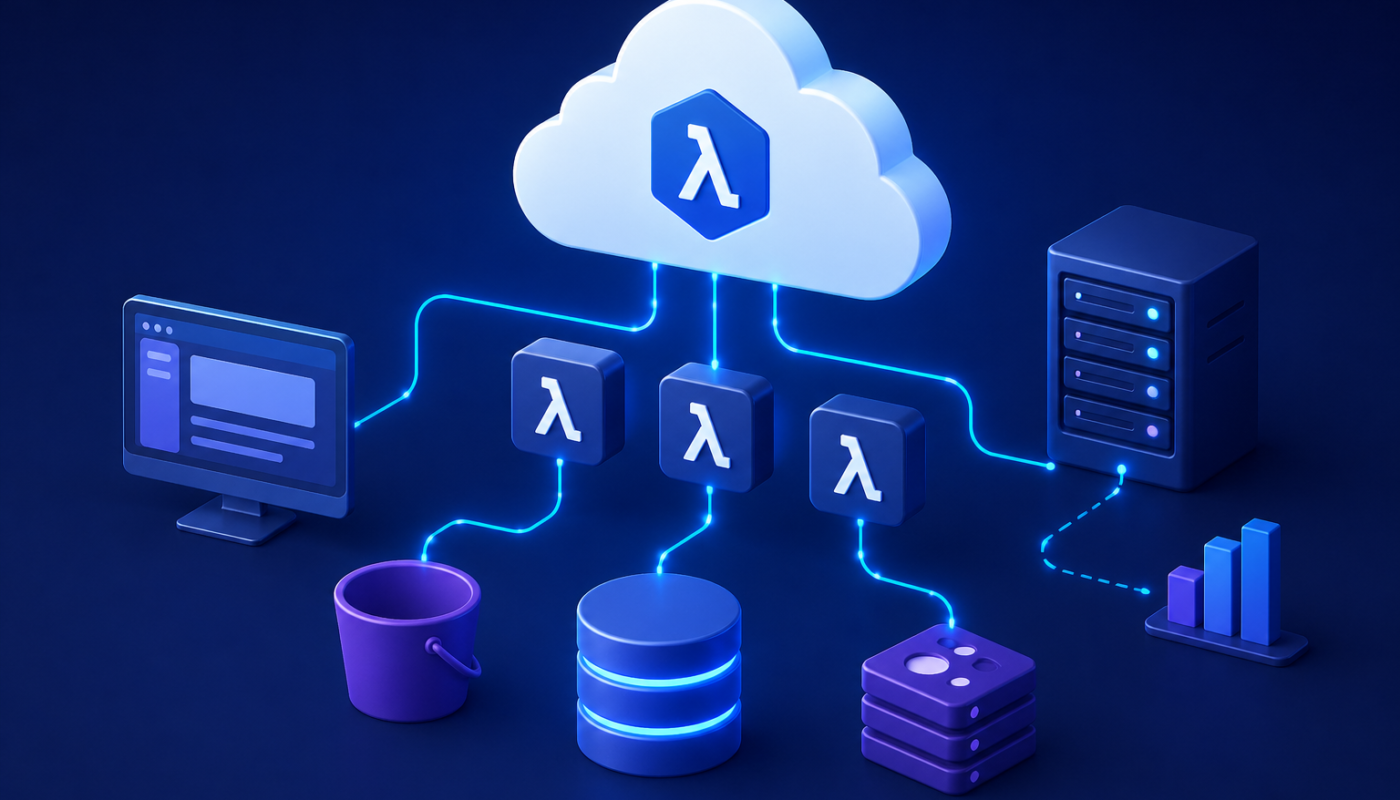
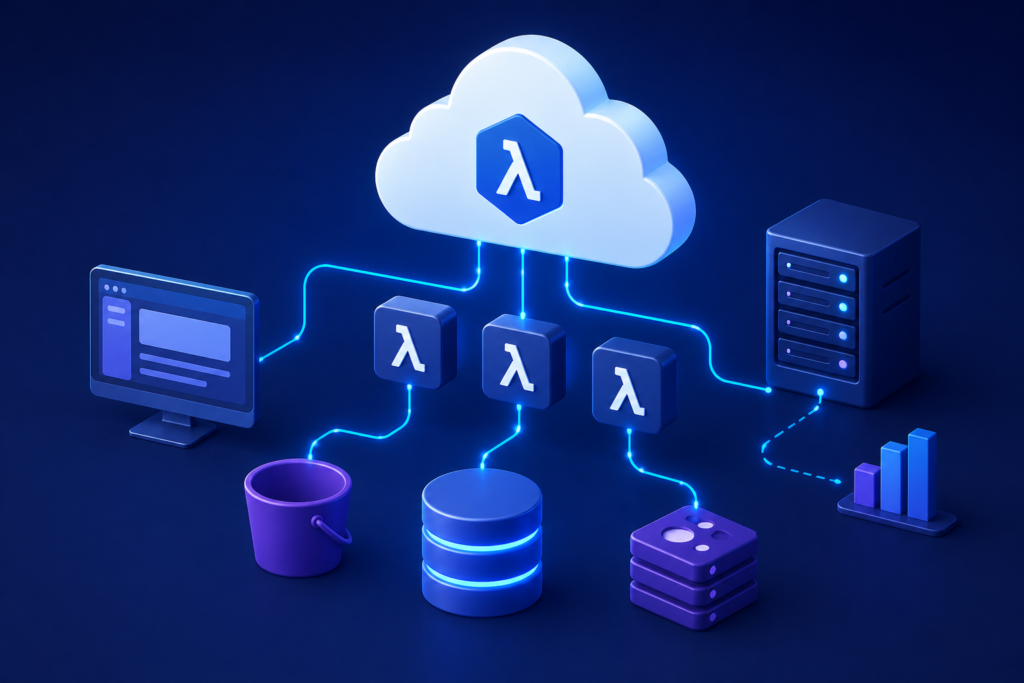
Serverless architecture allows developers to build and deploy applications without managing physical or virtual servers. Cloud providers handle infrastructure provisioning, scaling, maintenance, and runtime management. Developers can focus entirely on writing code while the platform automatically handles backend operations.
As cloud-native applications continue to grow, serverless computing is transforming software development by reducing operational costs, improving scalability, and increasing deployment speed.
In this guide, you will learn everything about serverless architecture, its benefits, core components, challenges, best practices, and cost-efficient strategies for building scalable cloud applications.
What is Serverless Architecture?
Serverless architecture is a cloud computing execution model where the cloud provider dynamically manages infrastructure and allocates resources only when code executes.
Unlike traditional hosting, serverless applications do not run continuously. Instead, code runs in response to events.
Core serverless characteristics include:
Event-driven execution
Applications run when triggered by events such as HTTP requests, file uploads, API calls, or database updates.
Auto-scaling
Resources automatically scale up or down depending on workload demand.
Pay-per-use pricing
You only pay for actual execution time instead of idle infrastructure.
No server management
Infrastructure maintenance is handled by cloud providers.
How Serverless Architecture Works
Serverless applications work through event-based triggers. Understanding modern serverless architecture best practices helps build more reliable and scalable applications.
The basic flow includes:
Step 1: User triggers an event
Examples include:
- API request
- File upload
- Authentication request
- Database event
Step 2: Cloud provider invokes function
The cloud platform runs the required function automatically.
Step 3: Function processes logic
Business logic executes.
Examples:
- Process payment
- Resize image
- Send email
- Store user data
Step 4: Response returned
The function completes execution and resources are released.
Core Components of Serverless Architecture
Function as a Service (FaaS)
FaaS is the backbone of serverless systems.
Popular examples:
- AWS Lambda
- Google Cloud Functions
- Microsoft Functions
Functions execute only when triggered.
API Gateway
API Gateway acts as the entry point for serverless applications.
Responsibilities:
- Route requests
- Authentication
- Rate limiting
- Request transformation
Database Services
Serverless apps rely heavily on managed databases.
Examples:
- DynamoDB
- Firestore
- MongoDB Atlas
Authentication Services
Authentication is managed by cloud identity systems.
Examples:
- AWS Cognito
- Firebase Authentication
Event Bus
Handles event routing across microservices.
Examples:
- EventBridge
- Pub/Sub
Why Serverless Architecture Matters
Serverless computing is becoming essential because of growing digital demand.
Key reasons include:
Reduced Infrastructure Cost
Traditional servers cost money even during idle periods.
Serverless eliminates idle costs.
Benefits:
- Lower hosting cost
- Better ROI
- Predictable billing
Faster Development
Developers focus only on business logic.
No need to manage:
- Servers
- Scaling
- Patching
This accelerates product development.
Better Scalability
Scalability happens automatically.
Benefits:
- Handle traffic spikes
- Better application stability
- No manual scaling
Global Deployment
Applications can deploy globally with minimal configuration.
This improves:
- Speed
- Reliability
- User experience
Cost-Efficient Strategies for Scalable Cloud Applications
Optimize Function Execution Time
Reduce execution time for lower billing.
Strong API performance optimization improves execution speed, reduces latency, and lowers overall serverless operational costs.
Best practices:
Keep functions lightweight
Smaller functions execute faster.
Avoid unnecessary dependencies
Heavy libraries increase cold start time.
Optimize database queries
Efficient queries improve performance.
Use Event-Driven Design
Design systems based on asynchronous events. Modern event-driven architecture improves scalability and system responsiveness
Benefits:
- Better scalability
- Lower latency
- Loose coupling
Examples:
- Payment processing
- Notification systems
- File processing
Implement Function Granularity
Break large functions into smaller services.
Advantages:
- Easier maintenance
- Better scalability
- Faster deployments
Example:
Instead of one checkout function:
Use:
- Payment function
- Inventory function
- Email function
Use Managed Databases
Managed databases reduce maintenance cost.
Benefits:
- Auto-scaling
- Backups
- High availability
Cache Frequently Accessed Data
Caching reduces repeated function execution.
Caching options:
- Redis
- CDN caching
- Edge caching
Benefits:
- Lower latency
- Reduced cost
Best Use Cases for Serverless Architecture
API Backends
Ideal for scalable APIs.
Examples:
- Mobile APIs
- Web APIs
File Processing
Serverless handles:
- Image optimization
- Video transcoding
- File validation
Authentication Systems
Perfect for:
- Login
- Registration
- Token validation
Notification Systems
Useful for:
- Emails
- SMS
- Push notifications
Data Processing Pipelines
Serverless supports:
- ETL workflows
- Data transformation
- Analytics pipelines
Challenges of Serverless Architecture
Cold Starts
Cold starts happen when functions initialize after inactivity.
Impact:
- Increased latency
Solution:
- Provisioned concurrency
Vendor Lock-In
Cloud-specific services can make migration difficult.
Solution:
- Use abstraction layers
Monitoring Complexity
Distributed serverless systems are harder to monitor.
Solution:
Use observability tools.
Debugging Challenges
Debugging distributed event systems is complex.
Solution:
Use centralized logging.
Best Practices for Serverless Architecture
Secure Function Permissions
Apply least privilege principles.
Only allow required access.
Use Infrastructure as Code
IaC improves deployment consistency.
Examples:
- Terraform
- CloudFormation
Monitor Everything
Track:
- Errors
- Latency
- Cost
- Resource usage
Set Cost Alerts
Avoid billing surprises.
Monitor:
- Function execution
- API requests
Design for Failure
Implement:
- Retries
- Dead-letter queues
- Fallback systems
Future Trends in Serverless Architecture
Edge Serverless Computing
Functions running closer to users.
Benefits:
- Lower latency
- Better performance
AI-Powered Serverless Workloads
Machine learning workloads becoming serverless.
Examples:
- AI inference
- Data analysis
Multi-Cloud Serverless
Organizations adopting multiple cloud providers.
Benefits:
- Better resilience
- Reduced dependency
Serverless Containers
Combining container flexibility with serverless simplicity.
Growing trend in 2025.
How to Choose the Right Serverless Platform
Consider:
Pricing Model
Compare execution costs.
Cold Start Performance
Evaluate latency.
Ecosystem Integration
Check integration with databases, APIs, and authentication.
Security Features
Review built-in security tools.
Monitoring Support
Choose platforms with strong observability.
Common Mistakes to Avoid
Overloading Single Functions
Keep functions focused.
Ignoring Cost Monitoring
Small inefficiencies can increase billing.
Poor Event Design
Bad event flow reduces scalability.
Weak Security Controls
Misconfigured permissions create vulnerabilities.
Conclusion
Serverless Architecture in 2025 is transforming how modern applications are built, deployed, and scaled. Businesses no longer need to invest heavily in server infrastructure, maintenance, and scaling operations.
By using cost-efficient strategies like optimized execution, event-driven workflows, managed databases, and caching, organizations can build highly scalable cloud applications while controlling operational costs.
As cloud-native adoption continues to grow, serverless computing will remain one of the most important technologies for scalable digital transformation.
Organizations that adopt serverless architecture today will gain faster deployment cycles, lower operational overhead, and better scalability in the future.