 by
by Introduction
Identity and Access Management (IAM) is a critical component of modern cybersecurity that ensures the right individuals have access to the right resources at the right time. As organizations shift toward cloud computing, remote work, and distributed systems, managing digital identities has become increasingly complex.
Cybercriminals are constantly attempting to exploit weak authentication systems, stolen credentials, and misconfigured access controls. Without strong IAM implementation, organizations risk unauthorized access, data breaches, and compliance failures.
In this guide, we will explore 7 powerful strategies to prevent unauthorized access using advanced Identity and Access Management techniques.
What is Identity and Access Management (IAM)?
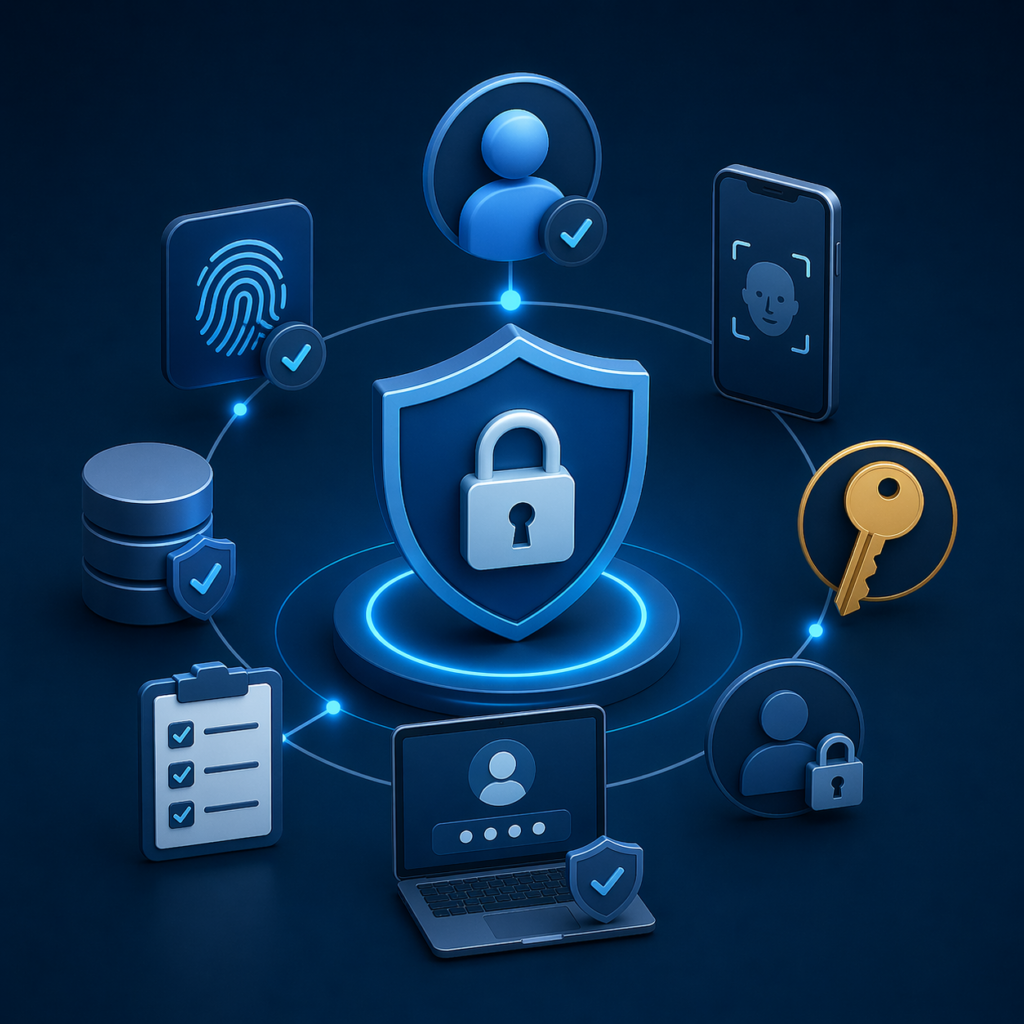
Identity and Access Management (IAM) is a framework of policies, technologies, and processes used to manage digital identities and control user access to systems, applications, and data.
Core Components of IAM:
- Authentication (verifying identity)
- Authorization (granting access)
- User lifecycle management
- Access policies and controls
IAM ensures that users only access what they are authorized to use, reducing security risks.
Why IAM is Important
With the rise of cloud-native applications and remote work environments, IAM has become more important than ever.
Key Reasons:
- Prevent unauthorized access
- Protect sensitive data
- Ensure regulatory compliance
- Reduce insider threats
- Strengthen overall cybersecurity posture
A weak IAM system can compromise an entire organization.
7 Powerful Strategies to Prevent Unauthorized Access
1. Implement Multi-Factor Authentication (MFA)
Multi-Factor Authentication adds an extra layer of security beyond passwords.
How it works:
- Something you know (password)
- Something you have (OTP/device)
- Something you are (biometrics)
Benefits:
- Prevents credential-based attacks
- Reduces phishing risks
- Enhances account security
2. Adopt Role-Based Access Control (RBAC)
RBAC assigns permissions based on user roles. Modern applications also rely on secure API access to control permissions effectively.
Example:
- Admin → full access
- Employee → limited access
Benefits:
- Minimizes unnecessary permissions
- Reduces insider threats
- Simplifies access management
3. Use Principle of Least Privilege (PoLP)
Users should only have access necessary for their tasks. Implementing access control also helps in data protection across systems.
Why it matters:
- Limits damage from compromised accounts
- Reduces attack surface
- Improves security control
4. Enable Single Sign-On (SSO)
SSO allows users to access multiple systems with one login.
Advantages:
- Improved user experience
- Reduced password fatigue
- Centralized authentication
5. Continuous Monitoring and Access Logging
Monitoring helps detect suspicious activity in real time.
Key Features:
- Login tracking
- Access logs
- Anomaly detection
This enables faster detection of unauthorized access attempts.
6. Identity Governance and Administration (IGA)
IGA ensures proper identity lifecycle management.
Includes:
- User provisioning
- De-provisioning
- Access reviews
This prevents unauthorized access due to outdated permissions.
7. Zero Trust Security Model
Zero Trust assumes no user or system is trusted by default. Zero Trust principles are widely adopted as described in zero trust security architecture .
Core Principle:
“Never trust, always verify”
Benefits:
- Strong access control
- Continuous authentication
- Protection against insider threats
Business Impact of Weak IAM
Without proper IAM, organizations face:
- Data breaches
- Financial loss
- Compliance violations
- Insider threats
- Unauthorized system access
IAM failures are one of the leading causes of cyber incidents.
Best Practices for IAM Implementation
- Enforce strong password policies
- Use MFA for all critical systems
- Regularly audit access controls
- Implement role-based permissions
- Monitor user activity continuously
- Remove inactive accounts
Common IAM Security Threats
Identity and Access Management systems are often targeted by attackers to gain unauthorized access.
Major Threats Include:
- Credential stuffing attacks
- Phishing-based login theft
- Privilege escalation
- Insider threats
- Weak password policies
These threats make it critical to strengthen Identity and Access Management strategies across all systems.
IAM in Cloud and Hybrid Environments
With the rise of cloud computing, Identity and Access Management plays a crucial role in securing distributed environments.
Key Challenges:
- Managing multiple identities across platforms
- Securing remote access
- Integrating cloud and on-prem systems
Organizations must implement centralized Identity and Access Management solutions to maintain control over access.
Future of Identity and Access Management
The future of IAM is evolving rapidly with new technologies.
Emerging Trends:
- AI-based identity verification
- Passwordless authentication
- Biometric security
- Zero Trust architecture adoption
Organizations that adopt advanced Identity and Access Management solutions will stay ahead of cyber threats.
Conclusion
Identity and Access Management is the foundation of modern cybersecurity. As cyber threats evolve, organizations must adopt advanced IAM strategies to protect their systems and data.
By implementing these 7 powerful IAM strategies, businesses can significantly reduce the risk of unauthorized access and strengthen their overall security posture.
Investing in IAM is not just a security measure—it is a necessity for digital transformation and long-term protection.



3 thoughts on “Identity and Access Management (IAM): 7 Powerful Strategies to Prevent Unauthorized Access”