 by
by Introduction
Multi-Factor Authentication (MFA) in 2025 has become one of the most important security layers for protecting user accounts, enterprise systems, and cloud applications. As cyberattacks continue to evolve, relying only on passwords is no longer enough.
Attackers today use phishing, credential stuffing, and automated bots to break into accounts within seconds. In fact, most data breaches now begin with stolen or weak credentials. This makes identity protection the first and most critical line of defense in cybersecurity.
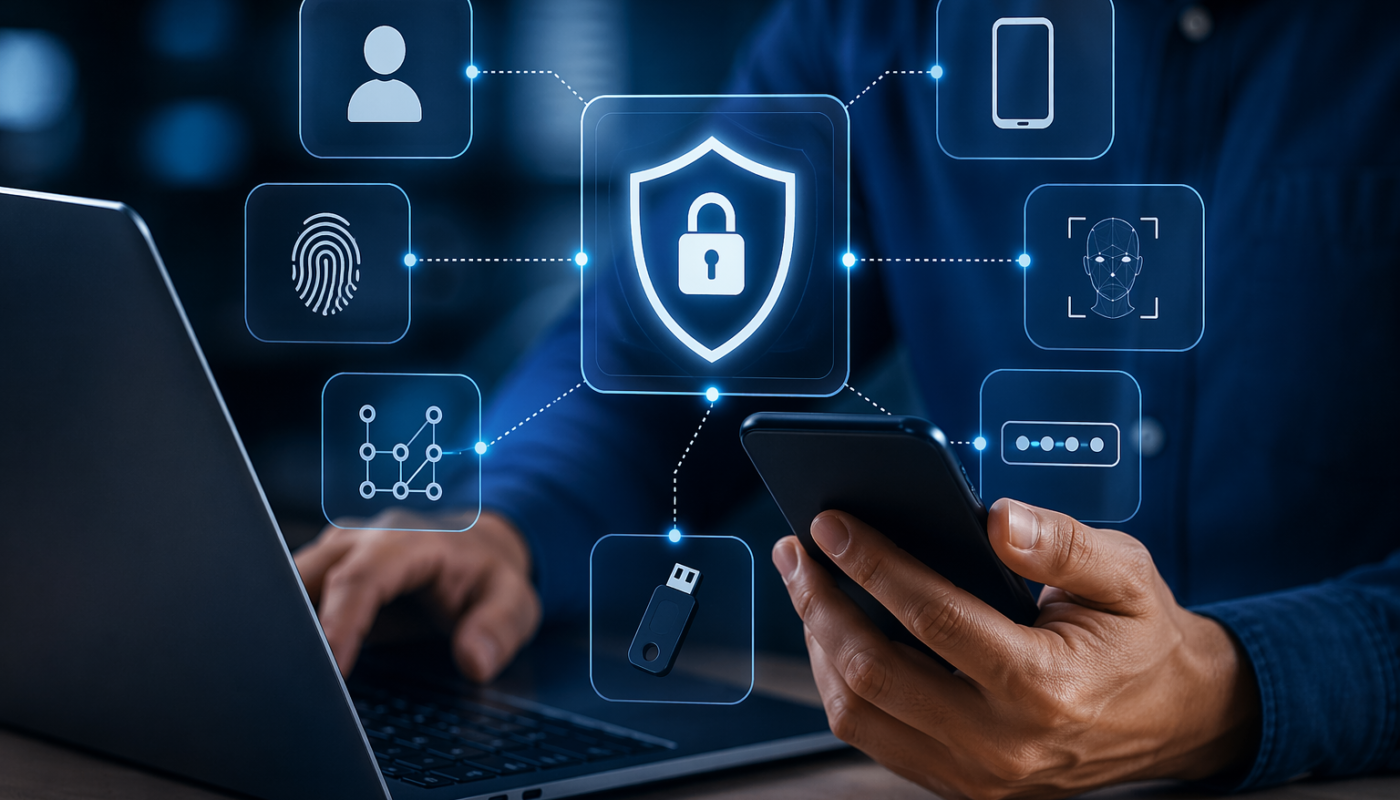
Multi-Factor Authentication (MFA) solves this problem by requiring users to verify their identity using more than one factor—such as a password, OTP, biometric scan, or authentication app. Even if one factor is compromised, attackers still cannot access the system.
In this guide, we will explore the most powerful best practices for Multi-Factor Authentication (MFA) in 2025 to strengthen user security and prevent unauthorized access.
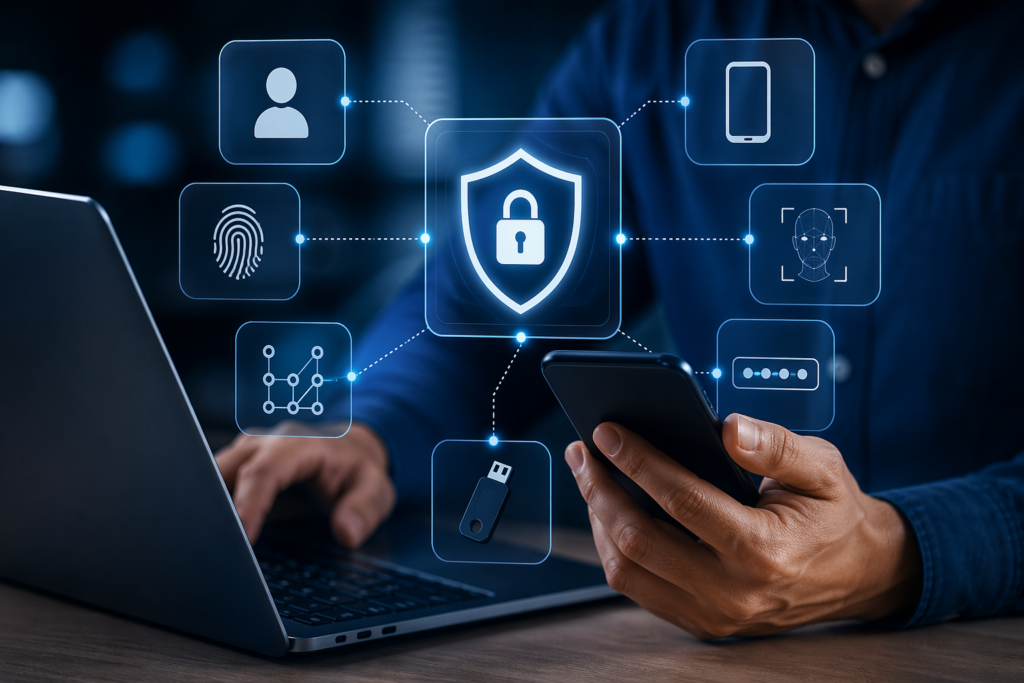
What is Multi-Factor Authentication (MFA)?
Multi-Factor Authentication (MFA) in 2025 combines multiple identity verification methods. Multi-Factor Authentication (MFA) is a security process that requires users to verify their identity using multiple authentication factors.
Common MFA Factors
- Something you know: Password or PIN
- Something you have: OTP, security token, mobile device
- Something you are: Fingerprint, facial recognition as defined in biometric authentication standards
Modern MFA systems combine these factors to create a layered security approach that significantly reduces the risk of account compromise.
Why MFA is Critical in 2025
The importance of Multi-Factor Authentication (MFA) in 2025 is increasing due to rising cyberattacks.
Cyber threats are becoming more advanced and automated. Password-only security is no longer sufficient.
Key Reasons MFA is Essential:
- Rising phishing attacks targeting login credentials
- Increased use of stolen password databases on the dark web
- Growth of remote work and cloud systems
- AI-powered hacking tools automating attacks
- Identity-based breaches becoming more common due to weak data protection systems
Multi-Factor Authentication (MFA) in 2025 is now a standard requirement for secure digital environments.
7 Powerful Best Practices for Multi-Factor Authentication (MFA) in 2025
1. Use Authentication Apps Instead of SMS OTP
SMS-based OTPs are vulnerable to SIM swapping and interception attacks.
Best Practice:
Use secure authentication apps like:
- Google Authenticator
- Microsoft Authenticator
- Authy
These apps generate time-based codes that are much harder to compromise.
2. Enable Adaptive MFA (Risk-Based Authentication)
Adaptive MFA adjusts security requirements based on user behavior.
Example:
- Login from trusted device → simple verification
- Login from unknown location detected using network traffic analysis techniques → additional verification required
This reduces friction while maintaining strong security.
3. Implement Biometric Authentication
Biometrics add a strong layer of identity verification using modern AI security systems.
Common Methods:
- Fingerprint scanning
- Face recognition
- Voice authentication
Biometrics are extremely difficult to replicate, making them highly secure.
4. Enforce MFA for All Critical Systems
MFA should not be optional for sensitive systems.
Must-Protect Areas:
- Admin dashboards
- Cloud infrastructure secured using cloud security frameworks
- Financial systems
- Employee accounts
- Customer databases
Mandatory MFA reduces the risk of insider and external attacks.
5. Combine MFA with Zero Trust Security
Multi-Factor Authentication (MFA) becomes even more powerful when combined with Zero Trust principles.
Zero Trust Approach:
- Never trust any user by default
- Always verify every access request
- Continuously monitor user activity
This ensures maximum protection even inside the network.
6. Monitor and Analyze Authentication Attempts
Security teams should track:
- Failed login attempts
- Unusual login locations
- Multiple rapid login requests
These patterns often indicate brute-force or credential stuffing attacks.
7. Educate Users on MFA Usage
Even the best MFA system can fail if users are not properly trained.
User Awareness Includes:
- Recognizing phishing attempts
- Securing authentication devices
- Avoiding sharing OTPs
- Using secure recovery methods
User education significantly improves overall security effectiveness.
Challenges of MFA in 2025
While MFA is highly effective, it also comes with challenges:
1. User Convenience Issues
Some users find MFA time-consuming.
2. SIM Swap Attacks
SMS-based systems are still vulnerable.
3. Device Dependency
Loss of authentication devices can lock users out.
4. Phishing Evolution
Attackers now target MFA approval prompts.
Future of Multi-Factor Authentication (MFA)
The future of MFA is moving toward passwordless authentication and AI-driven identity systems.
Upcoming Trends:
- Passwordless login systems
- Continuous authentication
- Behavioral biometrics
- AI-based identity verification
- Hardware-backed security keys
These advancements will make authentication faster and more secure.
Best Practices Summary
These best practices of Multi-Factor Authentication (MFA) in 2025 help organizations strengthen user security. To implement strong MFA in 2025:
- Use authentication apps instead of SMS
- Enable adaptive MFA
- Implement biometrics
- Enforce MFA for all critical systems
- Combine with Zero Trust security
- Monitor login behavior
- Train users regularly
Conclusion
Multi-Factor Authentication (MFA) in 2025 is no longer just an optional security feature—it is a fundamental requirement for protecting digital identities and preventing cyberattacks.
With rising threats such as phishing, credential theft, and automated hacking tools, organizations must adopt strong MFA strategies to secure user access.
By implementing the best practices discussed above, businesses can significantly reduce the risk of unauthorized access and strengthen their overall cybersecurity posture. Implementing Multi-Factor Authentication (MFA) in 2025 ensures strong protection against modern cyber threats.
The future of security is clear: strong authentication is the first defense against cyber threats.